Execuria · Notes
Practice notes
Practice notes are the working observations we carry from engagement to engagement. They are not findings about any single client, and they are not rules. They are the patterns that keep recurring, written down so that the next team does not have to rediscover them.
Note one: the quiet repair tax
When an agent's contribution is slightly wrong, the person downstream usually fixes it without comment. This is considerate and corrosive. Every silent repair spends a little of the team's attention and teaches the model nothing. Over a quarter, silent repairs become the largest hidden cost of a collaboration model, larger than any obvious failure. The remedy is not blame; it is a one-line trace and a short weekly note. Once teams see their own repair rate, it falls.
Note two: limits age faster than duties
A role's duties and its limits are written on the same day, but they age at different speeds. Duties stay broadly true. Limits rot, because the surrounding work changes: a new data source appears, a process widens, an approval moves. We now review limits on a faster cadence than duties, and we keep the limit sentence short enough to be restated in a meeting.
Note three: the empty register
An escalation register that stays empty is not evidence of a flawless ensemble. More often it means the path is unknown, or that raising a doubt has become socially expensive. We test the path deliberately by asking a reviewer to walk a plausible doubt through it, and we watch what happens. If the walk is awkward, the register is decorative.
Note four: openings are not launches
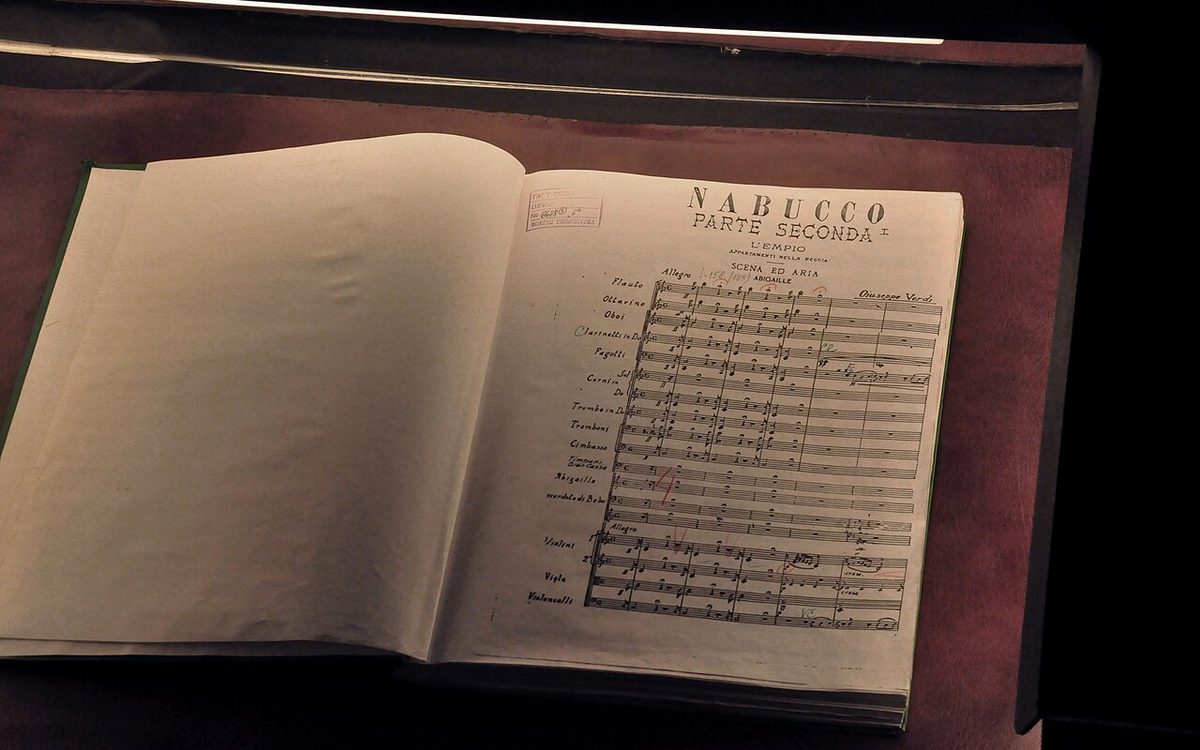
Teams love the day the new model goes live. It feels like progress and it produces photographs. But almost none of the durable work happens on opening night. It happens in the rehearsal cycle beforehand and the steady cadence afterwards. When a client wants to skip rehearsal to reach the opening sooner, we slow down rather than speed up, because an untested hand-off placed into important work is the most expensive shortcut we know.
Most of the value of a collaboration model is earned in rehearsal and in cadence, not on the day it goes live.
Note five: name the librarian early
Someone has to own the written model, or it decays within two quarters. The role is small and easily missed. We now insist that a named person holds it before an engagement closes. The librarian does not need authority over the work; they need the standing to say that a document is out of date and to convene its revision.
Silent repair
Untraced fixes hide the true cost and teach the model nothing. Make the trace one line and short.
Stale limits
Limits age faster than duties. Re-read the limit sentence more often than the description.
Empty registers
An unused escalation path is usually untrusted, not unnecessary. Test it on purpose.
Rushed openings
Rehearsal is where the value is made. Protect it when delivery pressure rises.
How we use these notes
We read the notes at the start of every engagement and revisit them at the closing session. They keep us honest about what we have seen before, and they give a client's leadership a shortcut to lessons that would otherwise take them a year to learn. The notes are revised as the practice learns; the ones above have survived several quarters unchanged.
These notes are observations from advisory work. They describe no guaranteed outcome and no particular result. Read them with the collaboration model and measurement notes.
We keep a fuller set of working papers for clients during an engagement. To discuss the notes, or to add your own, use the briefing room.